At First, They Just Wanted to Reduce Manpower
Later, they realized that the problem was not simply about having more or fewer people.
Instead, a lot of time was being wasted on transportation.
If you take a closer look at the daily operations of a warehouse, you will notice:
People are constantly walking.
Pushing goods, walking empty-handed, waiting.
These actions require no technical skill, yet they consume a significant amount of time.
The problem is not a lack of effort, but the wrong approach.
Many efficiency problems actually stem from choosing the wrong approach from the very beginning.
Most optimizations are centered around people:
- Increase the number of personnel
- Adjust the workflow
- Strengthen management
But these methods rarely bring fundamental improvements in efficiency.
Because they focus on “how to move faster,” rather than:
Why must people do the transporting?
Later, they adopted a simpler approach.
Not a complex system, nor a large-scale overhaul.
They simply added one piece of equipment:
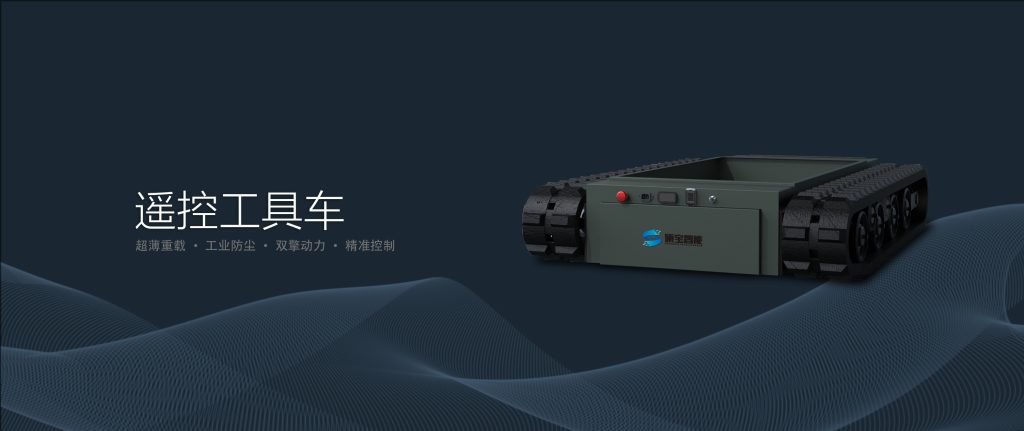
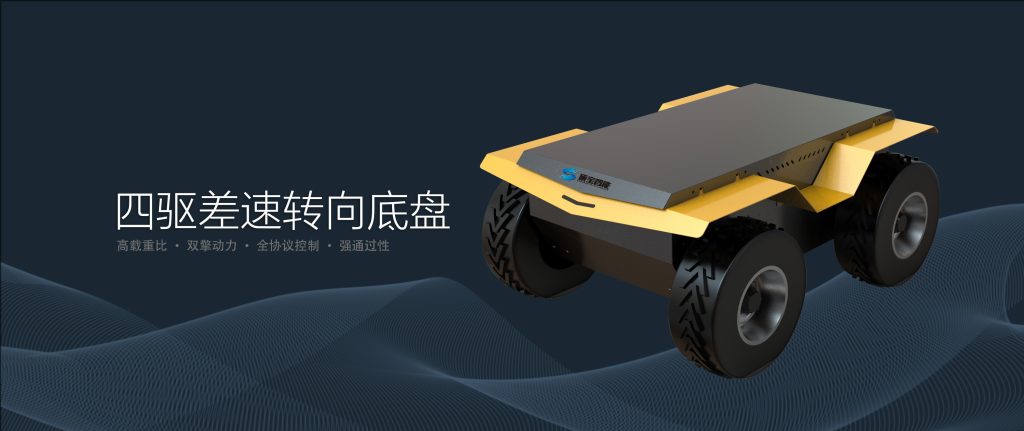
4WD AGV unmanned transport vehicle
Its logic is simple:
You walk ahead, and it automatically follows behind.
You stop, it stops; you turn, it follows.
You handle the path; it handles the transport.
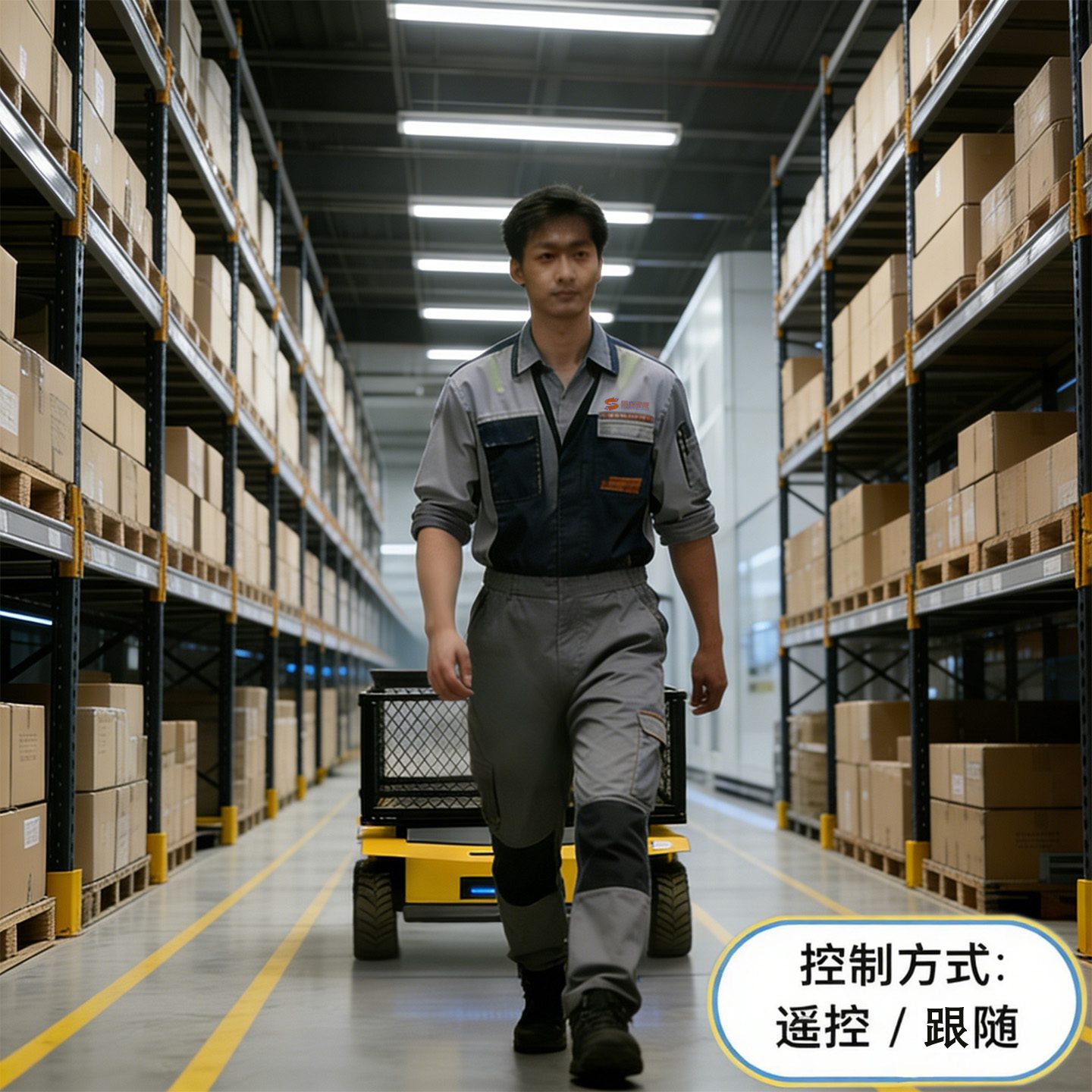
By the time you move forward, it is already behind you.
Why is this approach more efficient?
Because it changes one critical thing:
It turns the “person doing the work” into the “person making decisions.”
- No more repeated back-and-forth trips.
- No more physical exertion.
- No longer dependent on differences in experience.
The path remains the same, but efficiency has improved significantly.
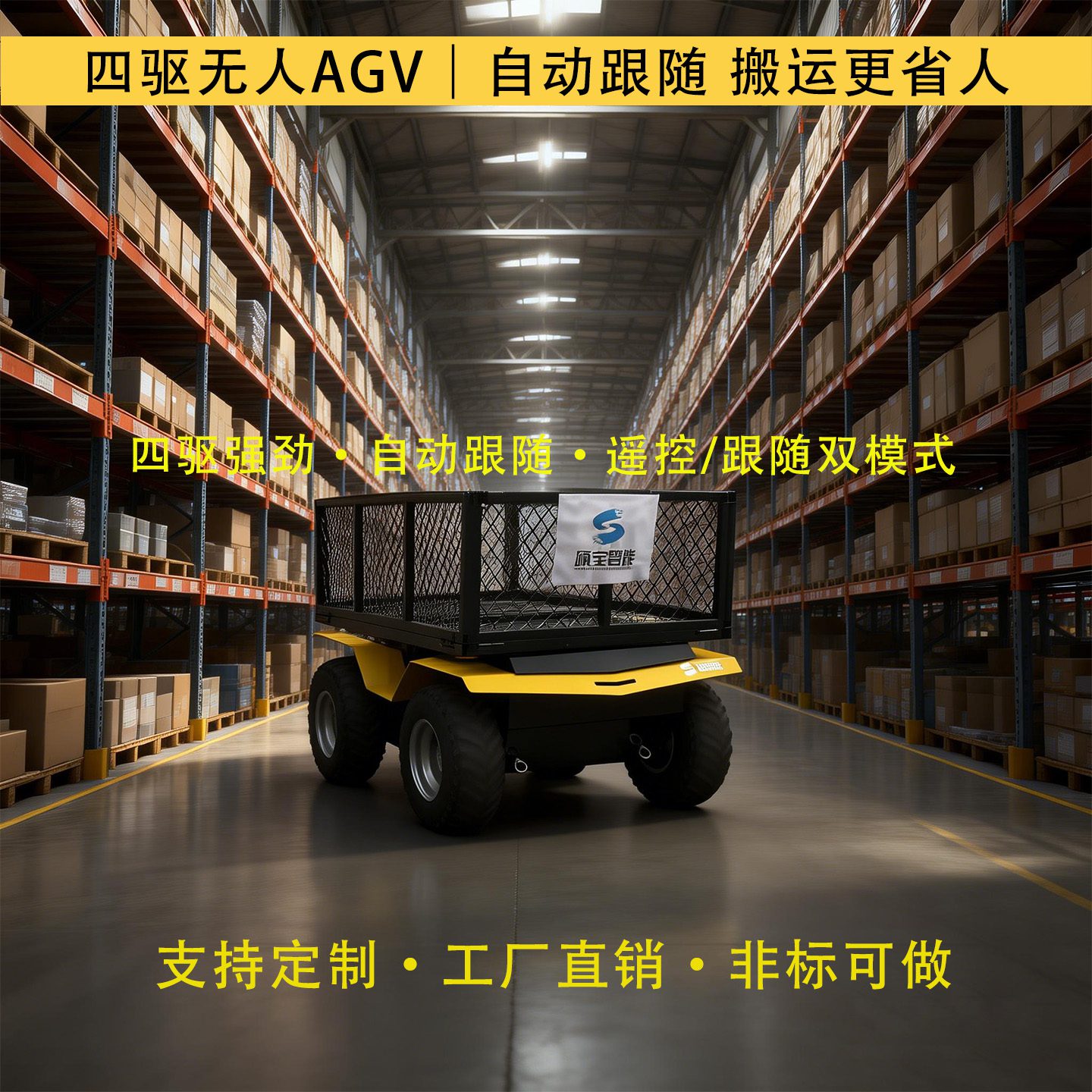
It doesn’t require a complex system—it can handle the transport task on its own.
There is one detail that determines whether it can truly be put into use.
Many devices look great in demonstrations, but become unstable in real-world conditions.
The reason is usually quite simple:
- Uneven ground.
- There are slopes.
- The paths are complex.
That’s also why a four-wheel drive structure is so critical.
What it delivers is not just better specs, but:
Stable operation even in real-world conditions.
Beyond efficiency, there’s something even more important: controllability.
Many people ask before making a decision:
“Will it be difficult to control?”
That’s a fair question.
So it offers two modes:
- Autonomous following: reduces manual operation and improves efficiency.
- Remote control: safer in complex environments.
It operates automatically when it should, and stays under control when needed.
Why do many companies choose this kind of equipment?
Not because it is “new,” but because these three factors are very practical:
1. No need to modify the existing environment
No tracks required, no warehouse changes—ready to use as is.
2. Easy to get started
Intuitive operation—ready to use within minutes.
3. Clear return on investment
Reduces labor input and improves overall efficiency
An investment with a short payback period.
One final question.
If there were a way to:
- Reduce a large amount of repetitive handling.
- Reduce reliance on manual labor.
- Make processes more consistent.
And without requiring any changes to your existing warehouse—
Would you consider trying it?
Get a solution and a quote.
If you are looking for:
- AGV autonomous transport vehicle
- Smart follow-me transport equipment.
- Warehouse / factory material handling solutions.
Welcome to contact us to get:
- Scenario matching recommendations.
- Product selection recommendations.
- Custom quotation.